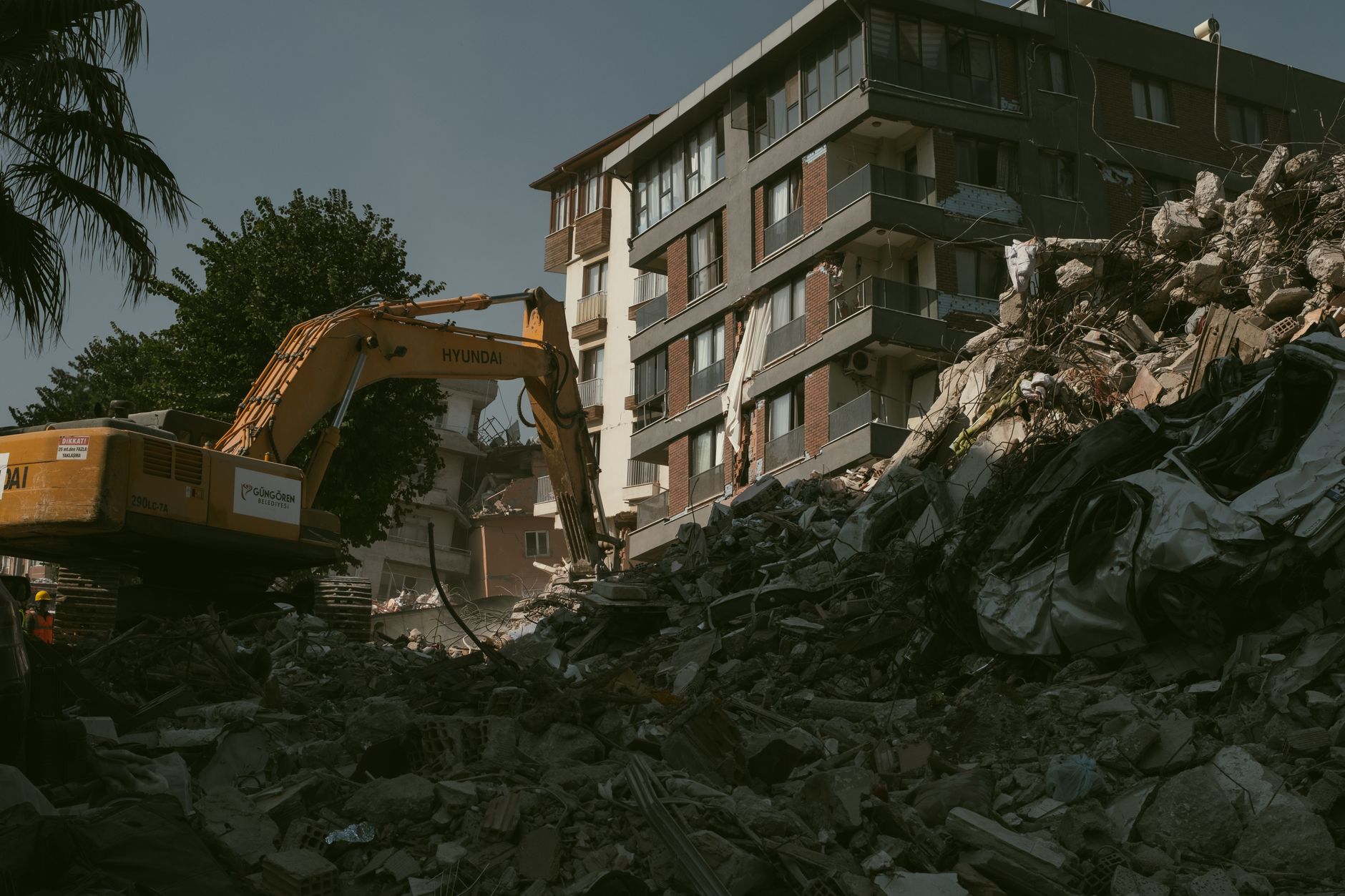
Weather and natural disasters are inherently unpredictable, and while Australia may not be as earthquake-prone as other regions, the reality is that seismic events can still occur. Given the climate changes and shifting tectonic plates, we must be proactive in ensuring our structures are resilient.
In Australia, regions may not face earthquakes as frequently as other parts of the world, but we are not immune, and the risks of seismic activity still exist. With recent events like the devastating Myanmar earthquake in 2024, which claimed thousands of lives, the need for earthquake-resistant designs has never been clearer.
Why Earthquake-Resistant Design Matters
As earthquakes can happen without warning, it’s essential to consider their potential impact when building or renovating homes. The goal of seismic-resistant design is to ensure that buildings can absorb the energy produced by an earthquake without sustaining significant damage. Even though Australia is not situated on a major fault line, small earthquakes and tremors are still possible, and buildings must be designed to cope with these forces.
For homeowners, this means reconsidering the architectural design Mandurah with the help of structural or residential home designers in Mandurah who can incorporate these considerations into the building’s design, from the foundation to the roof is crucial. Proactive planning ensures that structures are prepared for the unpredictable nature of seismic events.
Key Seismic Design Principles for Earthquake-Resistant Buildings
- Flexibility and Strength in Design
When designing buildings to resist earthquakes, the aim is to ensure that they are both strong and flexible. Earthquakes cause buildings to sway, and structures that are too rigid are at risk of cracking or collapsing.
The key is to use materials that can absorb the movement of the ground while maintaining the integrity of the structure. Steel frames and reinforced concrete are often used to provide the necessary balance of flexibility and strength.
- Foundation Design: The Key to Stability
The foundation is one of the most critical aspects of earthquake-resistant design. If a foundation is poorly designed or not anchored properly, the entire structure can become unstable during seismic events.
Base isolation is a technique used to ensure that the foundation moves independently from the upper structure, which reduces the risk of damage. Additionally, engineers must consider soil conditions and the likelihood of ground shaking, ensuring the foundation is strong enough to support the entire building during an earthquake.
- Shear Walls and Bracing Systems
To prevent buildings from swaying uncontrollably during an earthquake, shear walls and bracing systems are often incorporated into the design. Shear walls act like barriers that resist the horizontal forces exerted by an earthquake. These can be made from reinforced concrete or steel, adding crucial stability to the building.
Similarly, bracing systems, including diagonal braces, are used to provide additional strength and prevent structural failure during seismic events.
- Tuned Mass Dampers
For larger residential buildings, tuned mass dampers can be installed to reduce vibrations caused by seismic activity. These systems, placed at the top of buildings, use a large mass to counteract the building’s motion. By absorbing and dissipating seismic energy, tuned mass dampers help minimise the swaying that can occur during an earthquake, offering another layer of protection for buildings in earthquake-prone areas.
How Structural Engineers Ensure Safety
The role of a structural engineer in Mandurah is to ensure that the design and construction of a building account for all potential seismic risks. Structural engineers assess the site conditions, including soil types and local seismic activity, to determine the best design practices for a particular location. They will select materials and structural elements that allow the building to sway without collapsing, ensuring that the structure remains safe even in the event of a strong earthquake.
In addition to their technical expertise, engineers and draftsman near me work closely with homeowners, architects, and contractors to make sure the building meets local regulations and building codes. They conduct detailed risk assessments to ensure that the building will perform as expected during an earthquake.
Retrofitting Existing Homes for Earthquake Resistance
While new homes are often designed with seismic resilience in mind, existing homes can also be retrofitted to improve their earthquake resistance. Retrofitting involves strengthening the existing structure by adding elements like shear walls, steel bracing, and upgraded foundations. This process helps ensure that older buildings can withstand seismic forces without the need for a complete rebuild.
For homeowners with older properties, consulting a building designer near me is an excellent way to assess the seismic risk and determine how best to upgrade the home. Retrofitting can be a cost-effective solution, especially compared to the cost of repairing or rebuilding a structure after an earthquake.
Final Thoughts
With the unpredictable nature of seismic activity, we can’t afford to take chances. Designing earthquake-resistant homes is a lifesaving investment. By working with skilled a building design service and incorporating key design elements, homeowners can ensure their home is designed to meet not only the current building codes but also anticipates any future shifts in seismic risks, offering protection for years to come.
Don’t wait for the next disaster to strike; be proactive and secure your family!