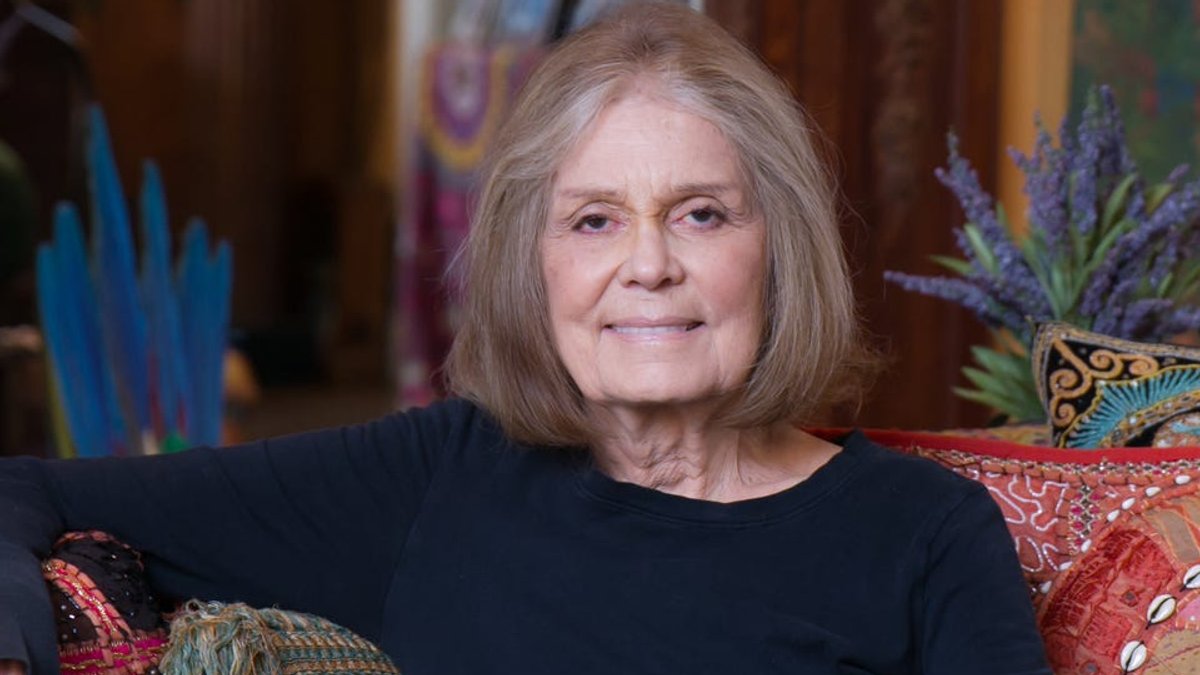
Gloria Steinem called her home both a workplace and a sanctuary, principles that defined her life’s work and the spaces she inhabited until her death at age 92 on September 2. In an interview with ELLE Decor in late August, she explained how her living spaces had evolved from a studio in a brownstone on East 73rd Street to a three-story residence she had gradually shaped over decades.
The transformation began in the late 1980s when she teamed up with interior designer Filippa Naess to open up the parlor floor to the ground level. The project aimed to fill the home with personal treasures—objects she cherished and souvenirs from her travels. More recently, she collaborated with Jane Hallworth to update the kitchen and bathrooms while preserving her signature bohemian aesthetic.
Steinem’s home mirrored her playful spirit. Attendees of her Talking Circles, part of the Gloria’s Foundation, often remarked on her eclectic taste. Among her prized possessions was a sofa she had rescued from a street discard, reupholstered repeatedly in green velvet. She also treasured a library ladder that led to a tall bookshelf in a second-floor bedroom, describing it with childlike excitement.
Her design approach was straightforward: “Buy only what you fall in love with.” This mindset applied to her favorite buildings, including Harlem’s 19th-century brownstones, and her appreciation for spaces that carried narratives. She frequently visited the National Museum of the American Indian, drawn to its depiction of Indigenous cultures that existed before European settlement in Manhattan.
Steinem’s impact extended into the art world. She admired institutions like the Sackler Center for Feminist Art at the Brooklyn Museum and AIR, New York’s longest-running feminist gallery. One of her favorite works, Unearthed III by Deborah Bell, now sits in her garden, given to her by friends.
Her journeys, especially to India and Africa, shaped her perspective and design choices. She often returned to Positano, Italy or anywhere she could encounter elephants for rest. When hosting, she kept things simple: fresh flowers as gifts and takeout meals when guests arrived.
Her personal style matched her activism. She wore Wonder Woman cuffs, designed by Jill Platner, and accessorized with gold snake rings from Lalaounis. Her essential reading included works by Alice Walker, and her drink of choice was a margarita. For clothing, she turned to designers like Patrick Kelly and Michael Kors, often layering bracelets over sleeves to secure them.