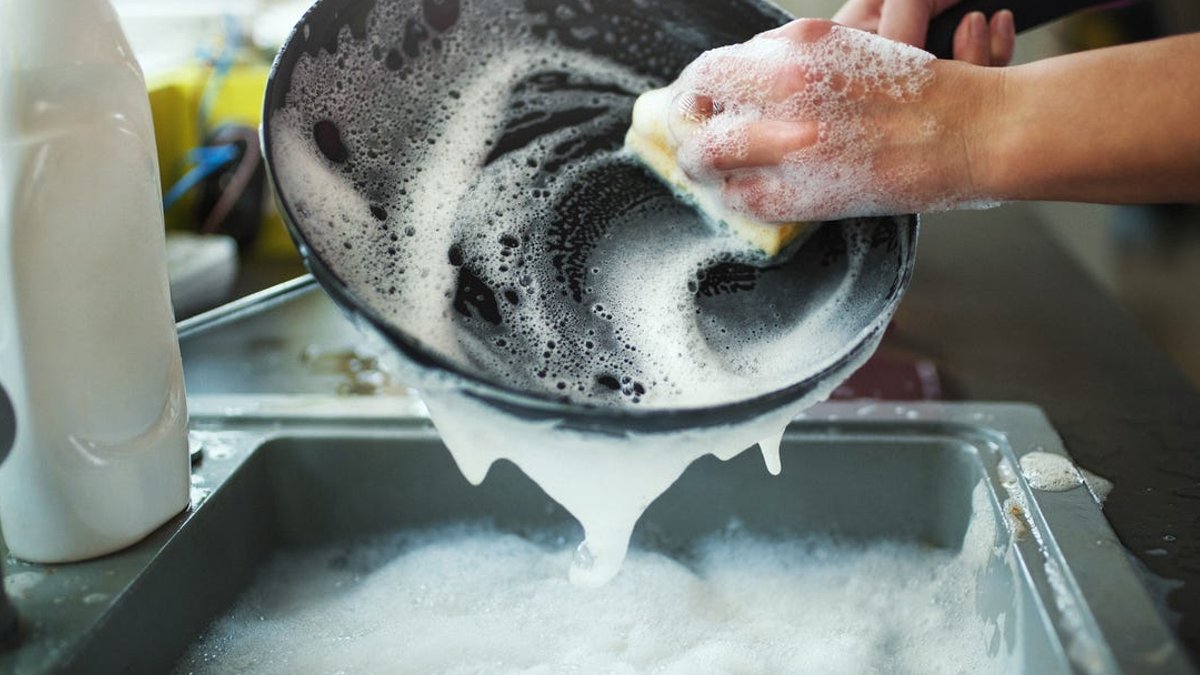
Soaking dishes before washing them is a common household debate. Experts from the Good Housekeeping Institute Home Care Cleaning Lab weigh in, offering guidance on when soaking is beneficial and when it’s unnecessary.
When Soaking Dishes Saves Time
Contrary to some beliefs, soaking dishes can actually save time and effort, especially when dealing with baked-on or dried-on food. Allowing water to soften tough residues minimizes aggressive scrubbing, preserving dishes, cookware, and cleaning tools.
However, the debate isn’t simply “always soak” versus “never soak.” The key factor is how long dishes are left to soak. A brief, intentional soak can be helpful, but letting dishes sit for more than an hour is rarely beneficial and may slow the cleaning process.
When to Soak and for How Long
For lightly soiled items like glasses, plates, and flatware, soaking is generally unnecessary. A good dish soap and warm water are usually sufficient. However, for soft foods like sauces or egg yolks, a 5-10 minute soak can help soften residues before washing.
Baked-on starches, such as pasta or oatmeal, benefit from a longer soak of 10-20 minutes. Cookware should be allowed to cool before washing, but this can cause food to harden, making a longer soak in warm water helpful.
Related Post: Keeping Dogs Cool at Home Without AC
Experts advise against soaking dishes overnight. While warm water and dish soap can soften food particles, soaking for more than an hour typically doesn’t improve results. By this time, the water has cooled, and odors may develop.
Tips for Efficient Handwashing
Using a high-quality dish soap designed to cut grease and break down food quickly can reduce the need for soaking. Choosing the right scrubber for the job is also essential. Non-stick cookware and delicate dishes require softer scrub pads, while stubborn messes on durable cookware can be tackled with heavy-duty options.
Keeping a dish scraper on hand can be particularly useful for removing tough residues from flat surfaces like plates or sheet pans. For dishwasher users, scraping away excess food is generally sufficient, and soaking is usually unnecessary.
When handwashing, using an effective dish soap is key. Rinsing and washing promptly is often the best approach for handwashing.