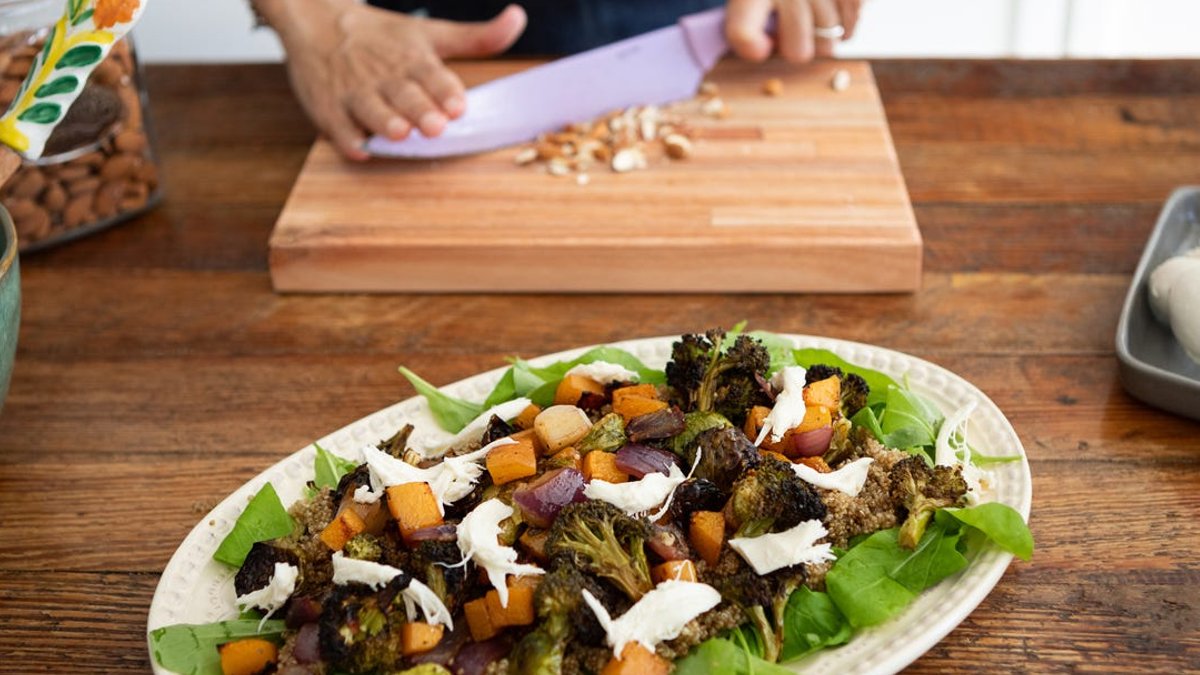
Butternut squash takes center stage in autumn Mediterranean cooking, celebrated for its sweet, nutty taste and rich nutritional profile. This vegetable reaches its peak during cooler months, making it ideal for soups, roasted preparations, and fresh salads. Its high fiber content and beta carotene—an antioxidant associated with cognitive health—align perfectly with the diet’s focus on whole, seasonal foods. A straightforward roasting method with olive oil and fresh herbs showcases its adaptability, while dishes like butternut squash mac and cheese offer a creamy, satisfying alternative to traditional pasta.
Lentils also play a key role in fall menus, providing plant-based protein, iron, and fiber without the weight of meat. Their mild flavor absorbs seasonings easily, making them well-suited for hearty stews, crisp salads, and grain bowls. A November dish might feature lentils paired with roasted root vegetables and a tangy lemon-tahini dressing, creating a balance between earthy and bright flavors. Studies indicate that regular lentil consumption may help lower inflammation, reinforcing their importance in the Mediterranean diet’s anti-inflammatory properties.
While apples often steal the spotlight in autumn fruit discussions, pears frequently receive less attention despite their optimal seasonal timing. Their natural sweetness and high vitamin C content make them a straightforward yet effective addition to both sweet and savory dishes. Thinly sliced pears enhance salads with walnuts and feta, or they can be baked with cinnamon and honey for a comforting dessert.
Citrus brightens autumn’s deeper flavors
Kale, a resilient leafy green, thrives in cooler weather and delivers vitamins A, C, and K along with powerful antioxidants. Unlike more delicate greens, kale holds up well in soups, stews, and sautéed dishes. A light massage with olive oil and lemon juice softens the leaves before they’re added to salads or pasta. Its sturdy texture makes it a dependable foundation for autumn recipes, including creamy kale pasta or a beet and orange salad where its slight bitterness contrasts with sweeter ingredients.
Read Also: Nutritionist picks 10 best meal kits for weight loss
Citrus fruits, particularly lemons and oranges, arrive in November, introducing a refreshing brightness to fall’s deeper flavors. Beyond their vitamin C content, they contain flavonoids and carotenoids that research links to reduced risks of metabolic syndrome, heart disease, and diabetes. A squeeze of lemon can enhance a lentil and kale stew, while orange slices add freshness to roasted beet salads. Their acidity also balances rich dishes without overpowering them.
Among nuts, walnuts stand out for their omega-3 fatty acids, a rare trait among tree nuts, and their satisfying crunch. Chopped over oatmeal, mixed into salads, or folded into baked goods, they contribute both nutrition and depth to meals. Their earthy flavor complements pears in tarts or pairs well with miso in pasta dishes, where their richness enhances lighter components. The Mediterranean diet’s emphasis on nuts reflects their benefits for reducing inflammation and supporting cardiovascular health.
Olive oil’s role in Mediterranean health
Olive oil serves as the foundation of the Mediterranean diet, valued for its monounsaturated fats and antioxidants like oleocanthal. Research suggests this compound may help combat inflammation and influence pathways tied to chronic diseases. Its smooth, fruity taste improves everything from roasted vegetables to drizzled soups, making it essential in autumn cooking. A drizzle over warm lentils or squash enhances simple dishes, while it also functions as the base for vinaigrettes and marinades.
Late fall brings pomegranates, with their jewel-like arils offering a mix of sweet and tart flavors alongside antioxidants. The seeds serve as a lively garnish for salads, grain bowls, and grilled fish, adding both visual appeal and nutritional value. The fruit’s anti-inflammatory properties align with the Mediterranean diet’s preference for whole, minimally processed foods. A scattering over roasted vegetables or hummus transforms an ordinary dish into one that is both striking and nutrient-dense.