Only around 6 per cent of homes listed for sale in the UK last year had a dressing room, despite the fact that having one can add around £40,000 to a property’s value. For those who have one, a dressing room is more than just a space to store clothes – it’s a sanctuary where getting dressed feels like a pleasure, not a chore.
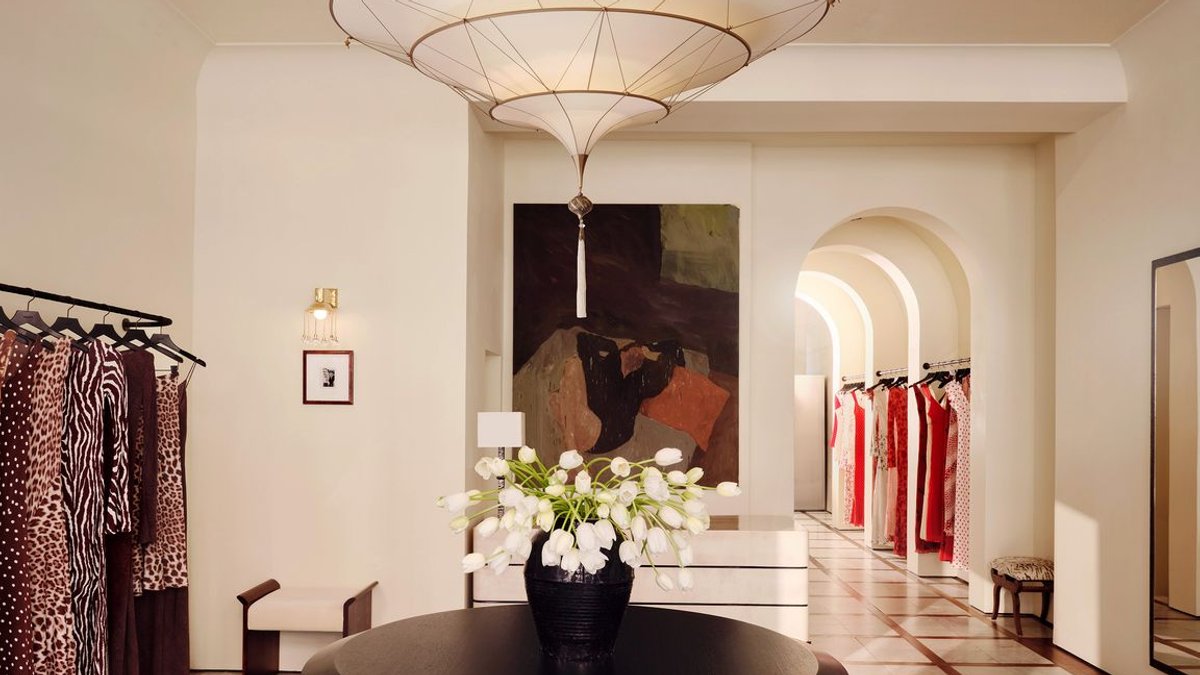
Sophie Baker, an interior designer with over seven years of experience working with luxury fashion brands and private clients, knows the importance of a well-designed dressing room. Her approach puts personal style, considered details, and everyday rituals at its heart, as seen in her recent work designing Réalisation Par’s flagship in Mayfair.
Creating a Sanctuary
For Sophie, the secret to a beautiful dressing room lies not in its size or budget, but in how thoughtfully it’s designed around the person using it. She recommends starting with the ritual of getting dressed, considering how you want to use the room, and thinking about the sequence of your morning routine.
Considering the small moments, such as where you’ll choose your clothes and whether you need a dedicated place to apply make-up or style your hair, will help create a room that works around your routine. This approach ensures that the dressing room feels like a private sanctuary, rather than just a functional space.
Sophie also emphasizes the importance of prioritizing the inside of your wardrobe, arguing that the way a wardrobe functions is just as important as its external appearance. Taking stock of your wardrobe and considering your requirements, such as the amount of hanging room and storage needed, will help create a space that’s easy to handle and enjoyable to use.
Read Also: Julianne Moore’s Village duplex renovated
Thoughtful storage is key to making a dressing room feel spacious, regardless of its actual size. Sophie recommends using pull-out drawers for shoes and double hanging to maximize storage, allowing you to view your collection at once and creating a sense of calm and considered space.
When it comes to materials, Sophie believes they should reflect the user’s personal style, whether that’s light and airy or dark and atmospheric. Tactile materials, such as a thick, soft carpet, can make the experience of getting dressed feel more comfortable and inviting.
Lighting and Seating
Lighting is also key in a dressing room, as bad lighting can be detrimental to the space. Sophie recommends approaching lighting in zones, with different sources serving different purposes, such as neutral light inside the wardrobe and even distribution on the face at a dressing table or mirror.
Seating is another key detail that can turn a dressing room into a luxurious space. Depending on the size of the room, this might be a thoughtfully upholstered stool, a small chair, or a more substantial chaise longue. For Sophie, the opportunity to pause and take a moment for yourself is part of what makes a dressing room feel luxurious.
Sophie’s dream dressing room features thick curtains, warm and glowing lighting, a mixture of clear and antique mirrors, and a combination of concealed storage and carefully selected open display. Above all, she wants it to feel private, comfortable, and inviting, making everyday life feel better, one outfit at a time, with a particular focus on the quality of the details and the thought process behind the design.