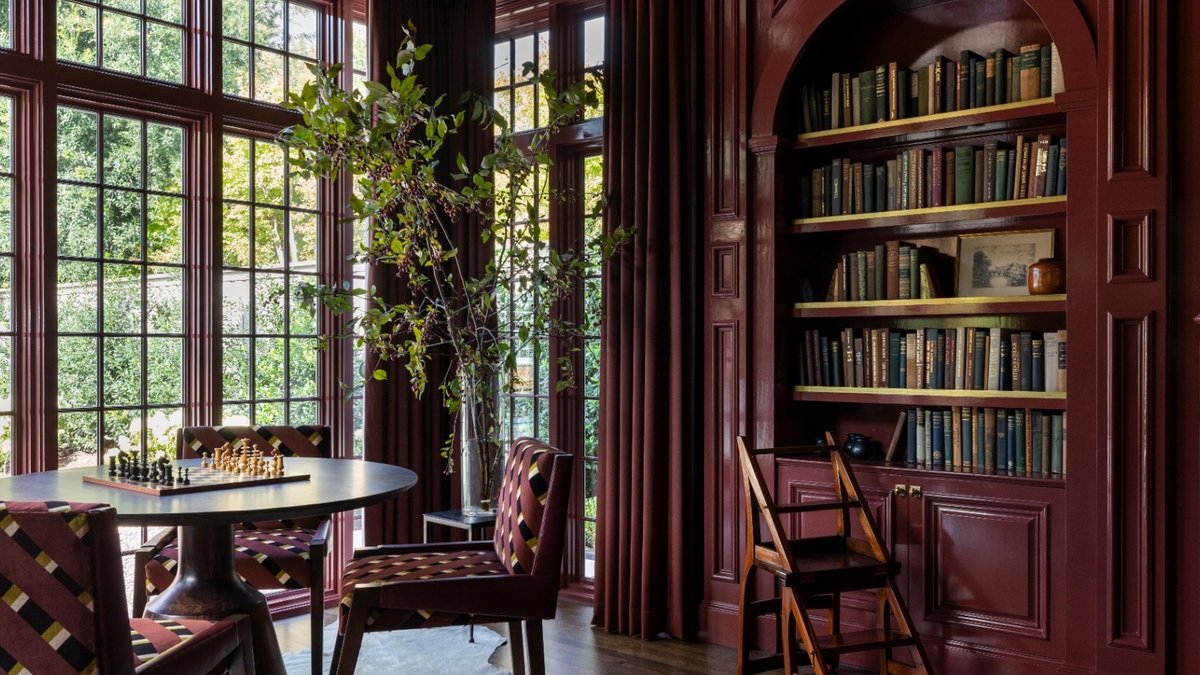
Colour drenching, the practice of painting walls, ceilings and woodwork in a single hue, is gaining attention for its ability to reshape a room’s feel without adding furniture or décor.
How the technique works
Applying one shade from floor to ceiling eliminates the visual breaks that typically come from contrasting trim or light ceilings. The result can make a space appear larger and more cohesive. Even deep tones, such as navy or plum, create a sense of openness when the color extends across all surfaces.
Preparation is key. Surfaces should be clean, sanded and primed before the first coat. A quality brush set, like the Lick paint brush set available on Amazon, helps achieve a smooth finish. Once the base is ready, the chosen pigment is applied uniformly to walls, cornices and ceilings.
In‑room examples
A bedroom painted in a calming teal demonstrates the calming power of colour drenching. The hue blankets the architectural features, while a buttercup‑yellow bed frame and wooden accents add warmth without breaking the monochrome feel.
Related: Historic Oxfordshire Home Revamped for Modern Family
In another setting, a deep navy ceiling and cornices sit behind a cobalt window frame, offering subtle definition while preserving the enveloping atmosphere.
Yellow and ochre are popular for home study areas. A deep mustard shade wraps the walls, window surrounds and built‑in cabinetry, creating a warm, inviting study nook. Pairing the color with speckled carpet and neutral textiles keeps the room from feeling oppressive.
Bathrooms can also adopt the trend. A warm buttercup tone applied to the bath surround, lower panels and trim unifies the space, allowing botanical artwork and marble details to stand out.
Even narrow hallways can benefit from colour drenching. A high‑gloss peacock blue applied to wall paneling, architraves and doors creates a reflective surface that maximizes natural light, complementing classic monochrome tiles on the floor.
Related: Minneapolis lake home transformed in modern revival
When a single bold shade feels too intense, designers often introduce tonal variations. A mid‑dark denim blue in a dining area covers walls, fireplace surround and woodwork, offering purpose and intimacy while allowing warm wood tones and simple bistro furniture to remain prominent.
Matte walls paired with satin woodwork can create a cocooning mood, while low‑sheen walls and eggshell cabinets in high‑traffic kitchens balance durability with a sleek aesthetic.
Unified color palettes streamline visual perception, making rooms feel larger and more intentional. This technique offers a versatile tool for homeowners and designers seeking to refresh spaces without extensive renovations.