Interior designer Wren Loucks believes the best homes develop when clients join the creative process as active collaborators rather than passive observers. At her London-based studio, Be-Kin, the relationship between designer and client focuses on uncovering a shared vision rather than executing one person’s plan.
The shift from spectator to participant
Loucks explains that the traditional designer-client dynamic often felt like a one-sided transaction. Clients sometimes viewed themselves as subjects in a portrait instead of partners in creation. That model is changing. Today’s clients arrive with Pinterest boards, Instagram mood boards, and a desire for transparency. They want more than a finished space—they want to understand how it takes shape.
Loucks notes that the more clients engage with the process, the more meaningful the results become. Some hesitate at first, unsure how to express their tastes or worried about making mistakes. Others fully adopt the experience, visiting fabric houses and ateliers with the design team, turning the project into a joint exploration.
Be-Kin avoids imposing a signature style. While the studio prefers harmonious colors and clean lines, Loucks insists the final design should reflect the client’s personality, not hers. She describes the approach as weaving the client’s creativity into the process. The goal isn’t to create a showroom but a home that feels like an extension of the people who live there.
Building trust is essential. Clients need to feel comfortable admitting when they dislike a fabric swatch or change their mind about a layout, even late in the process. Loucks welcomes these adjustments. She acknowledges that allowing room for iteration isn’t the fastest method, but it leads to better outcomes.
This kind of collaboration does more than produce a well-designed room. It can change how clients see themselves. Someone who once deferred to “expert” opinions might finish the project with the confidence to make bolder choices in other areas of life. Loucks describes the process as helping people articulate their identity through space rather than just decorating a house.
When discomfort becomes the catalyst
Not every client wants to co-create. Some prefer to hand over control entirely. Yet Loucks has observed that the most memorable projects often involve a moment of shared vulnerability—a leap of faith where both designer and client step beyond their comfort zones.
Related: Portland Barn Conversion ADU Highlights Neighborhood Charm
She compares it to jumping across a pond and trusting you’ll reach the other side. That leap might mean selecting an unconventional color palette, investing in custom furniture, or committing to a layout that feels risky. The uncertainty can be unsettling, but Loucks treats it as part of the process. She explains that feeling exposed is natural, but that’s where real progress happens.
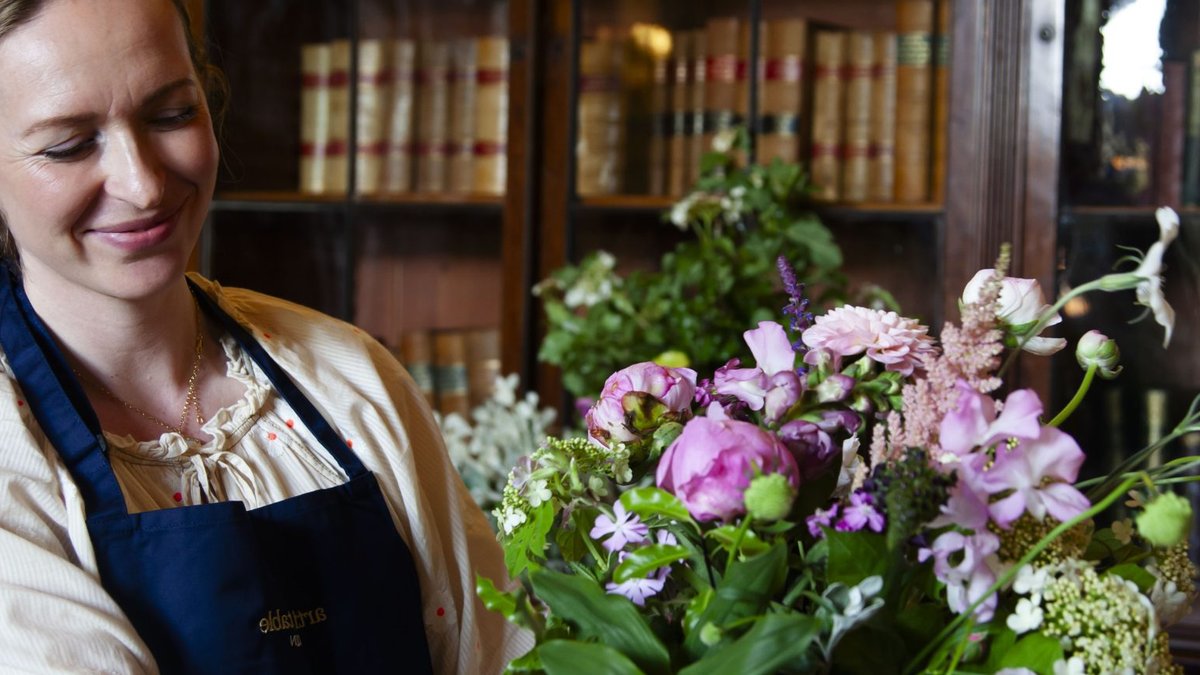
To build that trust, Be-Kin runs The Artist’s Table, a series of hands-on workshops where clients and designers create together. Past sessions have included flower arranging, painting inspired by the Bloomsbury Group, and collage-making. The workshops aren’t about producing masterpieces but about quieting daily distractions and tapping into a more intuitive way of thinking. For some participants, it’s their first time holding a paintbrush since childhood.
The studio sees these workshops as a smaller version of the broader design process. Loucks emphasizes that they’re not just designing a room but a way of living. That means considering emotional needs—how a space should feel when someone enters, what memories it should evoke, and how it can support daily routines and long-term goals.
A sterile apartment transformation in New York’s West Village demonstrates how small changes can make a space feel more personal. Loucks applies similar principles in her work, ensuring each project reflects the people who use it.
In September, Loucks will launch The Art of Holistic Design, a podcast exploring the connection between creativity, well-being, and interior design. The first season will feature conversations with artists, craftspeople, and other designers about how spaces can heal, inspire, or simplify daily life.
For Loucks, the most rewarding part of the job isn’t the finished project. It’s watching clients realize they’re capable of more than they expected. She describes it as a dance, where inspiration flows both ways, creating something unique that couldn’t exist otherwise.