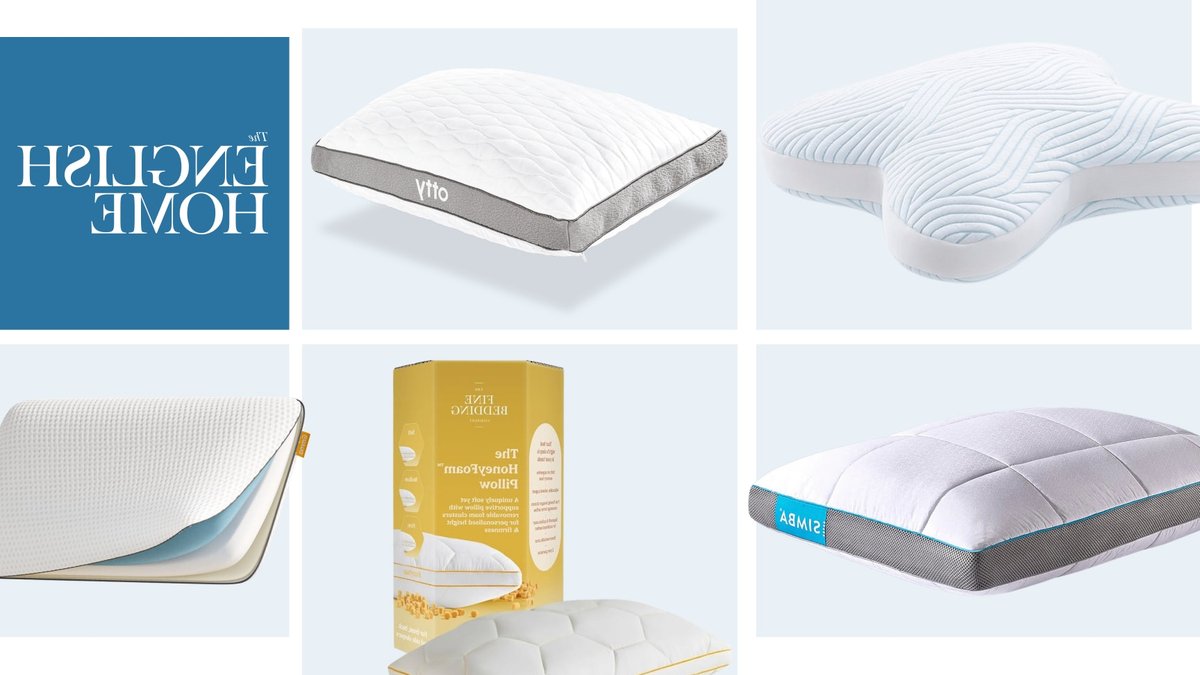
Choosing the best pillows for neck pain can feel like a gamble, but medical advice offers a clear framework for narrowing the field.
Choosing the right pillow matters.
What doctors say about pillow alignment
According to a GP at a practice in Oxford, the key is keeping the head at the same height as the rest of the body so the spine stays neutral. “When sleeping, you want to make sure your head is the same height as the rest of your body – so that your head and neck are aligned with the rest of your spine,” the doctor explained. This alignment protects the neck from strain caused by pressure that builds up over a night’s rest.
Top pillow picks based on medical criteria
The Emma Adapt Pillow tops the list for its adjustable foam layers, allowing users to customize loft for side or back sleeping. Its medium‑firm setting aims to provide the “one firm pillow” concept while still offering flexibility.
Related: Melek Zeynep Bulut showcases alchemy at Bank of England Museum
For those who sleep on their side or combine positions, the Simba Hybrid Pillow blends down‑like softness with foam support. Its “Nanocubes” can be scooped out to achieve the desired height, and a cool‑touch cover helps manage heat.
The Levitex Sleep Posture Pillow, designed with clinical posture experts, uses high‑resilience foam that stays firm without needing body heat. It comes in four sizes to match different heights and chest measurements, ensuring consistent neck support.
Tempur’s Ombracio SmartCool Pillow features a clover‑shaped contour that cradles the head and follows the cervical curve. The design works for front, back, and combination sleepers, offering side indentations for those who occasionally lie on their stomach.
The OTTY Adjustable Pillow targets side sleepers with layered high‑density memory foam and gel inserts that can be added or removed to fine‑tune elevation.
Related: Georgian townhouse reborn as family home
All of these selections share a common thread: they aim to keep the head, neck, and spine aligned throughout the night, reducing the muscular effort required to maintain posture.
Most people who suffer from neck pain will see improvement by matching pillow height to their shoulder width and sleeping style, rather than chasing the most expensive or fanciest option.
For those with persistent pain that lasts beyond eight weeks or is accompanied by neurological signs, doctors advise seeing a GP or physiotherapist. Direct access to physiotherapy can help tailor exercises and lifestyle changes, including sleep position adjustments, to address underlying issues.