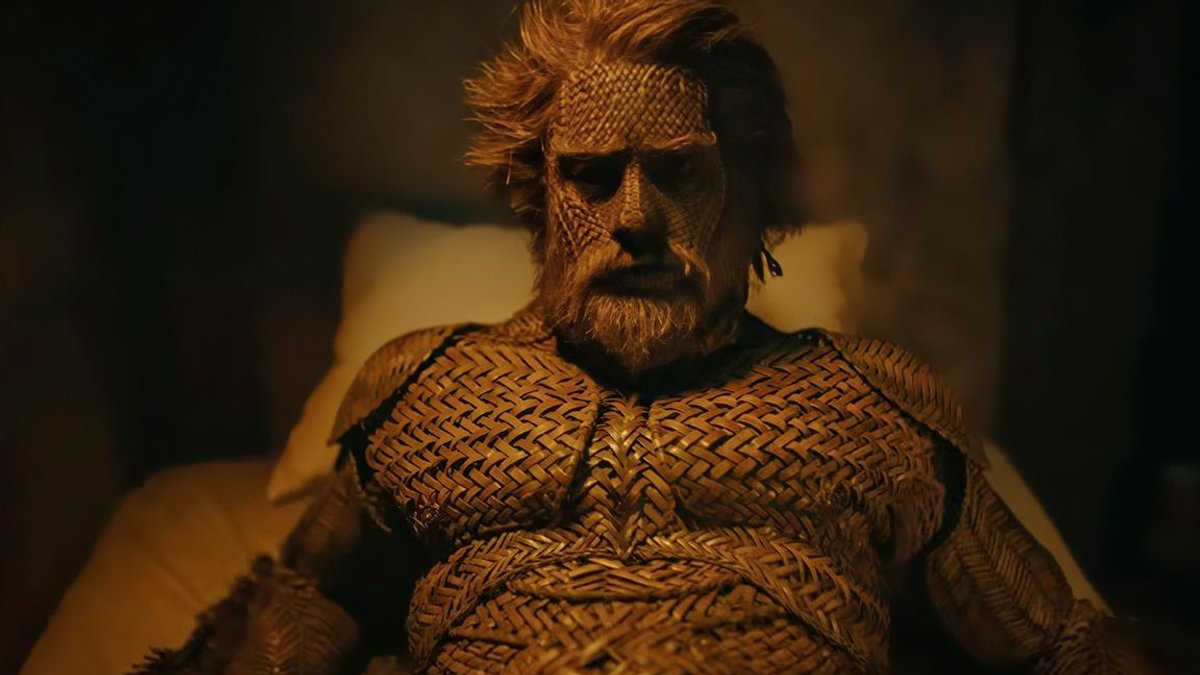
A new film has brought the ancient craft of basket weaving into the spotlight, though not for reasons the creators originally intended. In the upcoming movie, Olivia Colman’s character tasks her friend, the Basketmaker, with creating a husband. The result is a majestic wicker sex-god—a creation described as a mix of a Magic Mike dancer and a laundry bin. Alexander Skarsgård plays the character, heavily disguised, and the production team notes that almost no CGI was used to achieve the effect.
Beyond the Screen: A Craft in Decline
The design team at Wētā Workshop reportedly used ‘many hands and many strands’ to build the prop, highlighting the physical labour involved in the craft. The film has already sparked a viral moment on the internet, inspiring raunchy memes and a trending hashtag for people to share their own woven creations. Even the high-street lingerie brand Ann Summers has entered the conversation, collaborating with artist and weaver Katy Bremner to launch a wicker sex toy.
While the internet reacts with humour and shock, the practice behind the trend is far less romantic. Annemarie O’Sullivan, who co-founded Studio Amos in East Sussex, says the reality is ‘strenuous, difficult work.’ She points out that weaving is a highly specialised skill, and traditionally hand-woven pieces are becoming increasingly rare. ‘Until the Second World War, there were basket makers in every village,’ she explains. ‘That has changed a great deal since plastic became the norm.’
As mass production and industrialisation have pushed traditional crafts to the margins, their survival now depends entirely on the willingness of people to learn and pass these skills on. ‘A craft like this only survives while someone is still handing it on from one pair of hands to another, and once that stops, no book can quite put it back,’ O’Sullivan says. She notes a recent shift, however, as more people begin to take up weaving as a hobby or even a profession.
Read Also: George Michael’s former homes revealed
The Counter-Cultural Shift
Isabelle and Otis Ingrams run Norfolk-based company OTZI. Their workshop produces handmade furniture using traditional leatherworking and woodworking. They create woven and plaited pieces designed for durability. The couple relocated to Norfolk in 2020. Isabelle explains their customer base seeks connection and meaning. They turn to deep traditions and tactility. Solid wood and full grain leather have unique character. These materials age beautifully and become part of a story.
Traditional Skills in Modern Leicester
High demand for natural materials has increased rattan and wicker availability. Soane Britain produces rattan sideboards and lamps. The company maintains small-scale production to meet this need. They developed an apprenticeship to pass skills to new generations. This supports a 150-year rattan weaving tradition in Leicester. Social scientist Louis Elton notes that people are genuinely curious about skills and rituals that have been hiding in plain sight.
He also points to the longstanding appeal of folk horror, from The Wicker Man to Midsommar. However, he believes that, for an increasing number of people, folkiness has stopped being the ‘dark underbelly of cosmopolitan modernity‘ and is now a ‘resource of harmony’. ‘The wicker man used to be a thing people would get burned alive within… now we want to get freaky with it!’ laughs Louis.