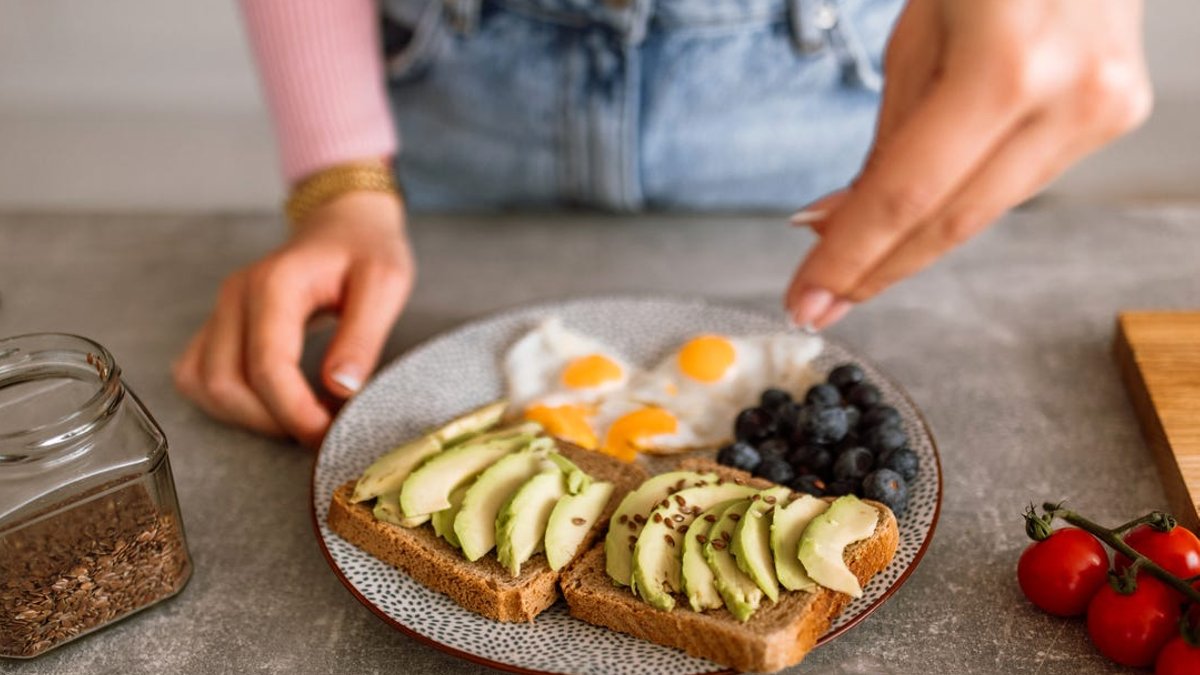
Starting the day with a healthy breakfast is a cornerstone of good nutrition, according to experts. A balanced morning meal can provide sustained energy, improve mood, and support long-term health. It’s also an opportunity to incorporate essential nutrients that may be missed later in the day.
Nutrient-Dense Options to Fuel Your Morning
One standout breakfast choice is chia pudding. These tiny seeds are packed with fiber, protein, and antioxidants, making them a versatile option for various diets. A 1.5-ounce serving of chia seeds contains about 7 grams of protein, and their anti-inflammatory properties can help combat inflammation. To prepare, mix ¼ cup chia seeds with 1 cup of milk (plant-based or cow-based), stir, cover, and refrigerate overnight. Top with fruits, nuts, or a drizzle of maple syrup for added flavor.
Another trending option is cottage cheese. With 14 grams of protein per half cup, it’s a nutrient-rich choice, also providing calcium and vitamin B12. Pair it with berries, citrus, or whole-grain toast for a satisfying meal.
Greek yogurt is also highly recommended. Its thick texture and 24 grams of protein per cup make it a filling option. Look for varieties with probiotics to support gut health, and choose plain versions to control added sugars.
Read Also: Sean Symington shares festive decorating tips and styles
Whole Grains and Protein-Rich Choices
Whole grains are essential for a healthy breakfast. Options like quinoa, farro, and whole-wheat bread provide antioxidants, minerals, and B vitamins, which help convert food into energy. These grains also contain fiber, promoting digestive health and stable blood sugar levels.
For those who prefer a liquid breakfast, protein shakes are an excellent choice. Nutritionist Amy Fischer suggests adding spinach, berries, and cinnamon to a shake with complete protein powder for a nutrient-packed start. When choosing protein powder, opt for third-party verified options with minimal ingredients and no added sweeteners.
Eggs remain a classic breakfast staple. Rich in vitamins A, D, and B12, they provide 8 grams of protein per egg. Two large eggs also supply over 50% of the daily choline needed, supporting brain health.
Looking ahead, incorporating a variety of these foods could help individuals maintain a balanced diet, though the specific benefits may vary based on individual health needs and preferences. For instance, bananas, with their folate and vitamin B6, can improve mood and reduce anxiety, while their soluble fiber helps lower cholesterol.
Read Also: Wicker Trend Sparks Interest in Traditional Craft Skills
Berries and oats are also top choices. Berries support immune function and heart health, while oats, rich in beta-glucan, can improve cholesterol levels and promote digestive health. A cup of strawberries provides daily vitamin C needs, and the antioxidants in berries protect blood vessels from plaque buildup.
Breakfast Foods to Limit or Avoid
While some breakfast foods are highly nutritious, others should be consumed in moderation. Sugary cereals, for instance, can contain up to 12 grams of added sugar per serving. Opting for cereals made from 100% whole grains with minimal sugar, like Classic Cheerios (2g sugar per serving), is a healthier choice.
Processed meats such as bacon and sausage are linked to inflammation, which is associated with chronic diseases like cancer, dementia, and heart disease. Lean proteins like eggs, turkey, or salmon are better alternatives.
Sugary juice drinks are another culprit, often contributing to obesity due to their high sugar content. Stick to 100% juice, water, coffee, or tea instead. Even butter, while flavorful, is high in saturated fats that can raise LDL cholesterol levels when consumed excessively. Nutritionists recommend extra virgin olive oil as a healthier cooking option.
Read Also: George Michael’s former homes revealed
Building a Balanced Breakfast
A balanced breakfast should include a combination of protein, fiber-rich carbohydrates, and healthy fats. Adding fruits and vegetables enhances nutrient intake and promotes satiety. For example, spinach in an omelet provides 64% of the daily vitamin A, while sweet potatoes offer almost 400% of daily vitamin A and 15% of daily fiber. Top sweet potatoes with avocado or nut butter for a nutritious meal.
Nuts and nut butters are also valuable additions, offering protein and heart-healthy fats. Walnuts, in particular, support cognitive health due to their unique nutrient profile, including omega-3 fatty acids and antioxidants. Choose nut butters with less than 140 mg of sodium per serving and no added fillers.
When it comes to calories, there’s no one-size-fits-all guideline, but frontloading calories at breakfast can reduce hunger throughout the day. A 2022 study found that larger breakfasts and smaller dinners led to better appetite control and mood stability.