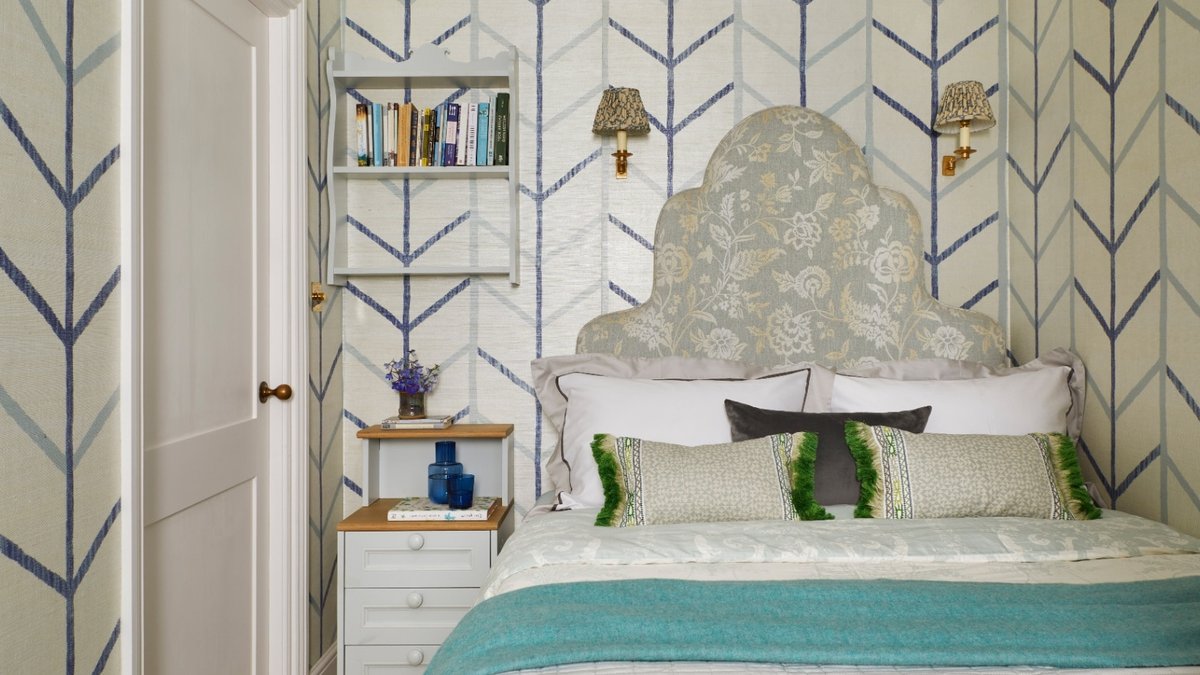
Creating a welcoming guest space in a small bedroom often requires prioritizing function over scale, proving that comfort doesn’t require a massive footprint. The most effective strategies for these rooms focus on visual tricks and smart furniture choices rather than trying to force bulky items into a tight area. By utilizing verticality and careful color selection, even the smallest spare room can feel like a boutique hotel.
If floor space is at a premium, the best approach is to look upward. A high-mounted fabric canopy or a floor-to-ceiling tester can create the illusion of a larger room without sacrificing any square footage on the ground. The design studio VSP Interiors utilized a large fabric element that draws the eye up, which helps camouflage the room’s actual dimensions. This technique works particularly well in boxy rooms where the ceiling height might otherwise feel oppressive.
Surface area is often the first thing to disappear in a compact room, so nightstands need to work harder. Instead of a bulky piece of furniture, a tray with a carafe, glasses, and reading materials can transform a small table into a hospitality station. Adding a tall, thin lamp provides vertical light in a narrow nook while keeping the surface clear. The same principle applies to storage; mounting slim floating shelves above the bedframe creates a library feel without encroaching on the floor.
Optimize awkward architecture and lighting
Rooms with sloped ceilings or eaves offer a specific set of challenges that can be turned into assets. Instead of fighting the lower angles, building shallow chest units and shelving beneath the pitches makes use of otherwise wasted space. When arranging furniture in these tricky areas, visual symmetry is essential. Placing the bed directly under the ceiling peak with identical narrow nightstands and willowy floor lamps helps balance the room and prevents it from feeling lopsided.
Lighting choices significantly impact how a small space feels. A single ceiling light can create dark zones and make a narrow room feel claustrophobic. Wall lights, bedside table lamps, and picture lights layered together provide focused areas of illumination that add depth. Choosing slender reading lights for the wall also frees up bedside table space, allowing guests to keep essentials within reach without the room feeling cluttered.
Related: Yorkshire firm reports strong growth
There is a distinct possibility that as homeowners continue to prioritize flexible living, these compact spaces will become even more common. The design industry is already shifting toward multifunctional furniture that serves double duty, meaning the line between a guest room, home office, and utility space will blur further.
Use color and clever joinery
Pale, sterile white walls can sometimes make a small room feel cold and boxy. Drenching the walls from floor to ceiling in a rich color eliminates the sharp corners and creates a seamless, warm glow. This approach is often more sophisticated than a simple paint job and makes the space feel intentionally curated rather than makeshift. If built-in storage is an option, flush-to-the-wall wardrobes with cane or rattan fronts offer visual interest and texture without adding bulk.
For rooms that cannot accommodate a full-size bed, twin beds can be a practical solution. They allow two adults to sleep in a slanted attic room while utilizing the knee walls for support. Coordinating textiles and thin iron frames help maintain a stylish aesthetic. When additional furniture is necessary, scalloped side tables or tiered units provide storage in narrow passageways without blocking the flow of the room. To ensure guests stay comfortable even during the hottest months, consider selecting a mattress designed for temperature regulation. Choosing the right bedding can transform a compact stay into a luxurious experience.
A Yorkshire firm reports strong growth as demand for such adaptable home solutions increases. The company specializes in creating bespoke joinery that maximizes utility in limited areas, proving that regional businesses can lead in innovative interior design. This expansion reflects a broader trend where local craftsmanship meets modern necessity.