The biggest home design trends on TikTok have a 48-hour shelf life, but four movements have staying power. These concepts borrow from restaurant branding, vintage shopping, and historical furniture styles to reshape modern living spaces.
Design-adjacent hashtags on TikTok routinely gather billions of cumulative views, turning fleeting ideas into widely recognized styles.
According to Resonate, half of all furniture buyers start their inspiration phase on social platforms weeks before they purchase.
Some of 2026’s biggest TikTok design movements have staying power, historical precedent, and real-world traction.
House Merch
TikTok users are creating custom matchbooks, cocktail napkins, and coasters for their homes. This trend borrows from the visual language of restaurants and fashion labels. A branded matchbook gives a dinner party a physical identity. The scale is smaller than a commercial brand, but the effect is similar.
Estate-Sale Decorating
Videos of estate sales are one of the platform’s lasting genres. Users treat these videos as treasure hunts and design lessons. Viewers watch someone sort through a packed house to find a specific era or designer.
This content drives the popularity of vintage furniture. Lacquered case goods, Italian glass, and 1970s upholstery are common finds. These items often pair with contemporary pieces. The appeal lies in the unique materials and finishes. New retail rarely offers the same historical personality.
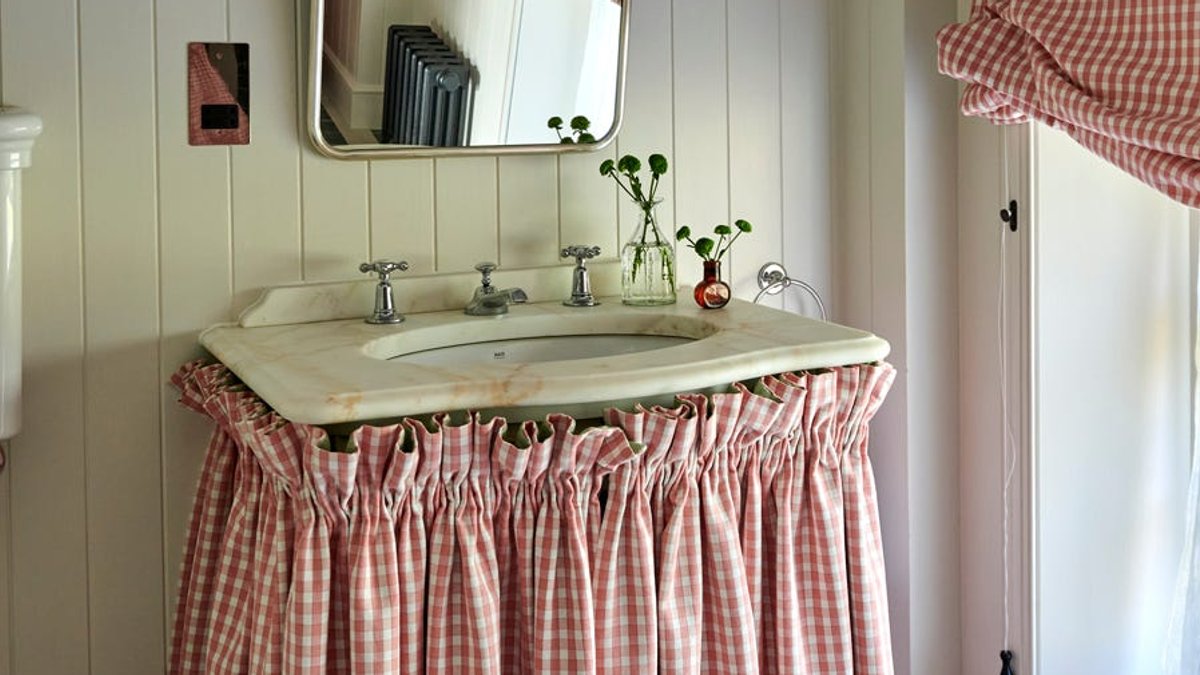
Skirted Furniture
The look draws inspiration from the 17th century farthingale chair. That historical piece used heavy fringe to accommodate wide skirts. Modern versions focus on tailored hems instead of period accuracy. Tailored hems and contrast piping define the current style.
The Broken Floor Plan
Opposition to open-plan layouts has created a new design solution. The “broken floor plan” uses archways, partial walls, and changes in elevation. Strategic furniture placement creates defined zones without closing off the space.